

Description
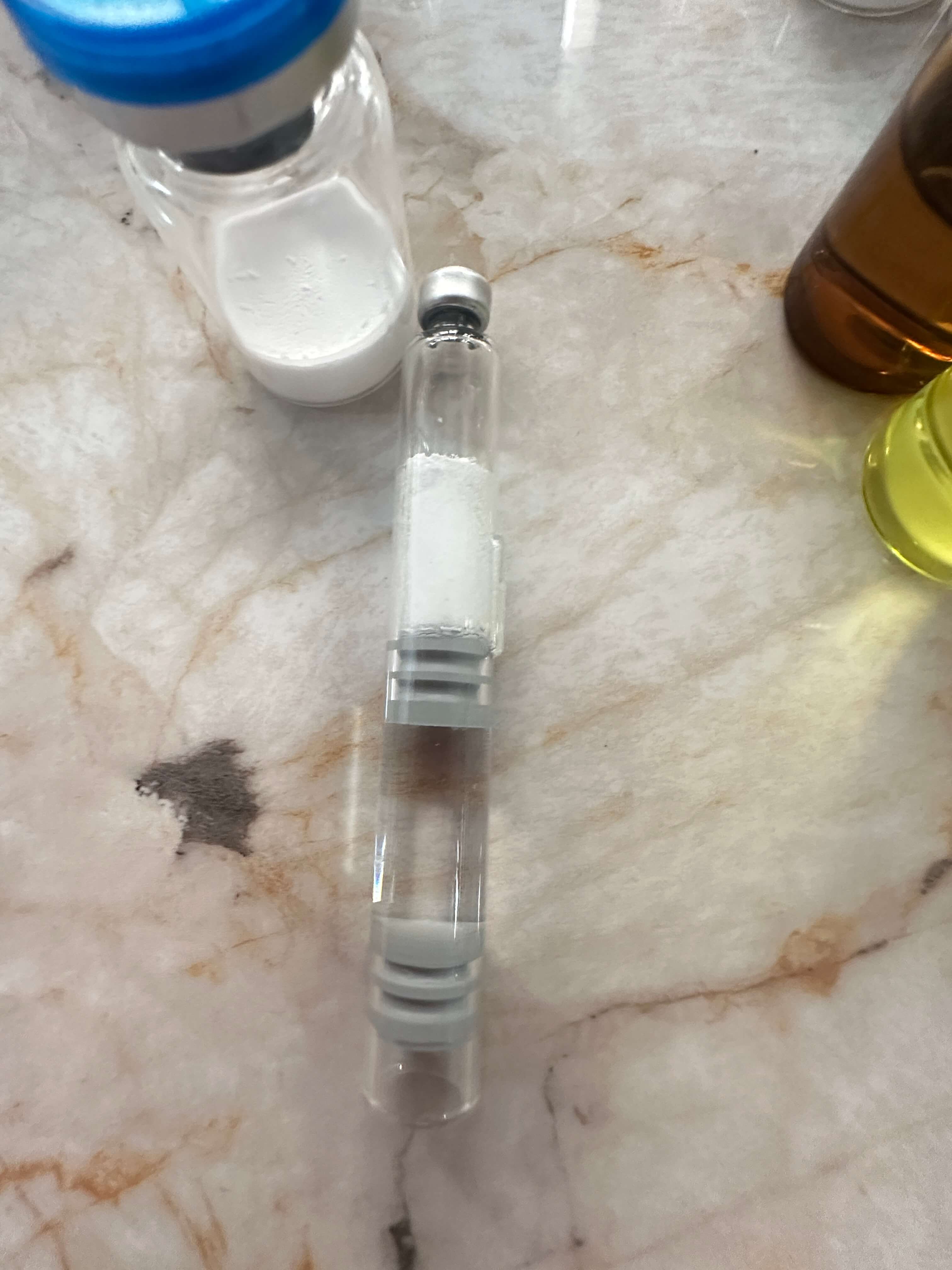
Dual-chamber cartridge
Dual-chamber cartridge technology has become an increasingly important packaging solution for peptide-based research materials that require long-term stability and convenient reconstitution prior to use. Unlike traditional single-compartment systems, a dual-chamber cartridge physically separates lyophilized powder and diluent within the same container until activation. This design helps minimize degradation risks associated with prolonged exposure of sensitive peptides to aqueous environments.
In research and development settings, peptide stability is a critical consideration throughout manufacturing, storage, transportation, and laboratory handling. Many peptide compounds exhibit significantly improved stability when maintained in lyophilized form, while reconstitution immediately before use can help preserve structural integrity and analytical consistency. Dual-chamber systems address these requirements by integrating both components into a single device while maintaining physical separation until needed.
The 3 mL dual-chamber cartridge format is particularly suitable for customized peptide projects because it supports flexible filling volumes, diverse formulation strategies, and compatibility with a wide range of peptide research materials. As a result, this packaging technology is increasingly utilized in formulation development, stability evaluation, process optimization, and advanced peptide delivery research.
Product Specifications
Dual-chamber cartridge systems typically consist of two independently sealed chambers separated by a movable stopper or barrier mechanism. One chamber contains the lyophilized peptide material, while the second chamber contains sterile diluent or formulation buffer.
Typical characteristics may include:
| Item | Description |
|---|---|
| Product Type | Dual-Chamber Cartridge |
| Cartridge Volume | 3 mL |
| Chamber Configuration | Powder + Diluent Separation |
| Filling Format | Lyophilized Powder + Liquid |
| Material | Pharmaceutical-Grade Glass |
| Stopper System | Dual-Seal Configuration |
| Compatibility | Peptide and Protein Research Materials |
| Manufacturing Options | OEM / Custom Filling |
| Sterility Testing | Available Upon Request |
| Intended Use | Research and Development Applications |

Mechanism of Action
The primary functional principle of dual-chamber technology is physical separation of unstable components until the moment of activation. During storage, the peptide remains in a lyophilized state while the diluent is retained in a separate compartment. This configuration minimizes hydrolysis, oxidation, aggregation, and other degradation pathways that may occur in aqueous solutions over time.
When activation is initiated, the separating barrier moves to allow controlled mixing between chambers. The lyophilized material is subsequently reconstituted by the diluent within the cartridge, creating a ready-to-use solution while reducing handling steps and minimizing contamination risks associated with manual reconstitution procedures.
This integrated approach provides improved consistency across research workflows and supports standardized preparation conditions for sensitive peptide materials.
Applications
Dual-chamber cartridge systems are widely utilized in peptide formulation and stability research. Their ability to separate powder and liquid components makes them particularly valuable for compounds that demonstrate limited solution stability during long-term storage.
Common research applications include:
- Peptide stability investigations
- Lyophilization process development
- Reconstitution performance studies
- Pharmaceutical formulation research
- Protein and peptide compatibility testing
- Packaging system evaluation
- Shelf-life assessment programs
- Comparative storage condition studies
- Controlled-release formulation research
- Custom peptide development projects
Dual-chamber cartridge High-purity peptide research materials are frequently incorporated into dual-chamber systems when evaluating formulation robustness and long-term storage performance.
Research Models
Dual-chamber cartridge technology can be evaluated through a variety of analytical and experimental models.
In formulation studies, researchers may assess peptide integrity before and after reconstitution using chromatographic and spectrometric techniques. Stability models commonly examine temperature effects, moisture exposure, and storage duration to determine optimal preservation conditions.
Compatibility studies investigate interactions between peptides, excipients, stoppers, cartridge materials, and diluents. These evaluations help identify formulation variables that influence product stability and reproducibility.
Additional research models may include accelerated aging studies, transport simulation testing, freeze-thaw investigations, and long-term storage monitoring programs. Together, these approaches provide valuable data for peptide formulation optimization and packaging system selection.
Manufacturing and OEM Considerations
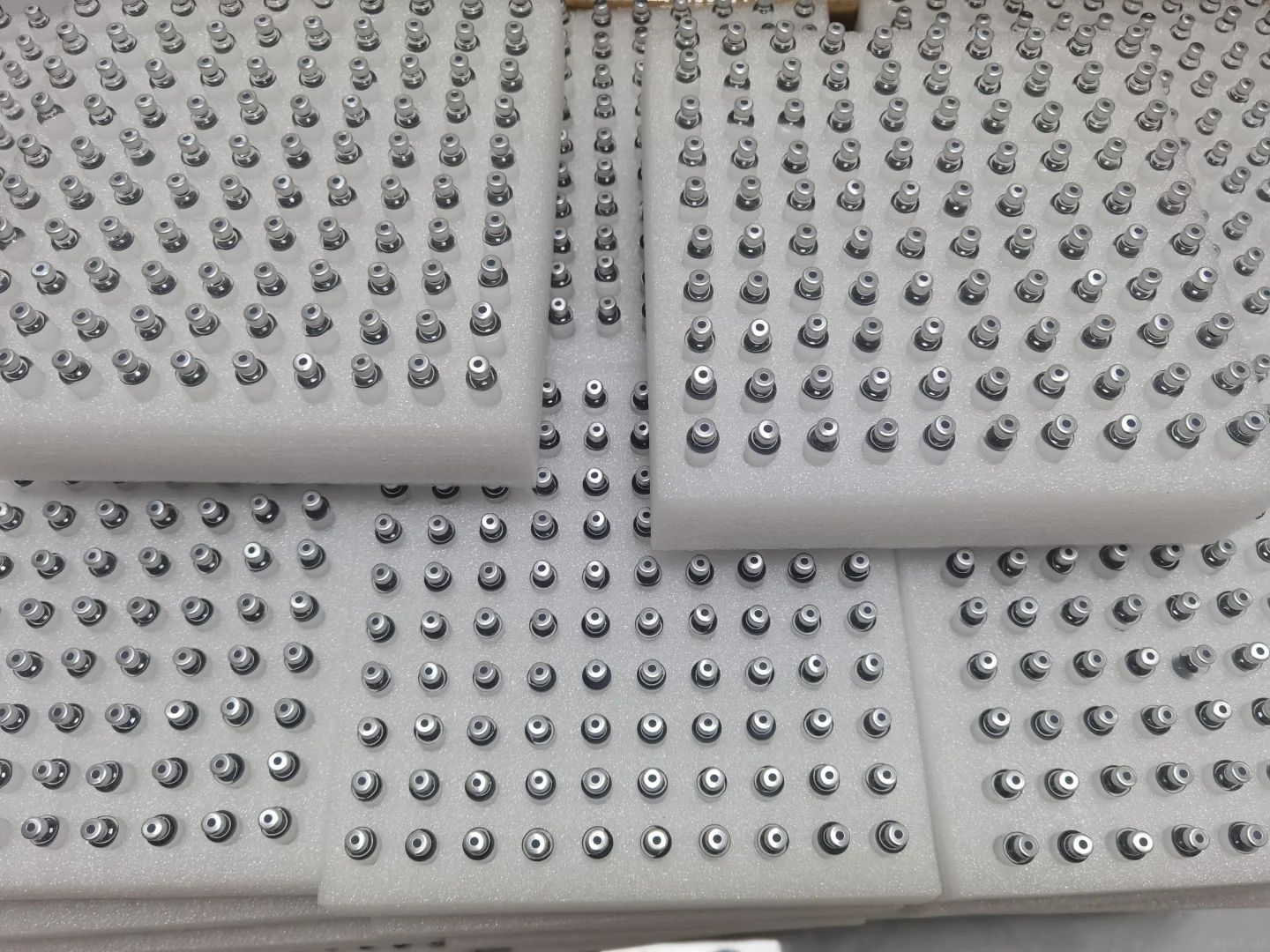
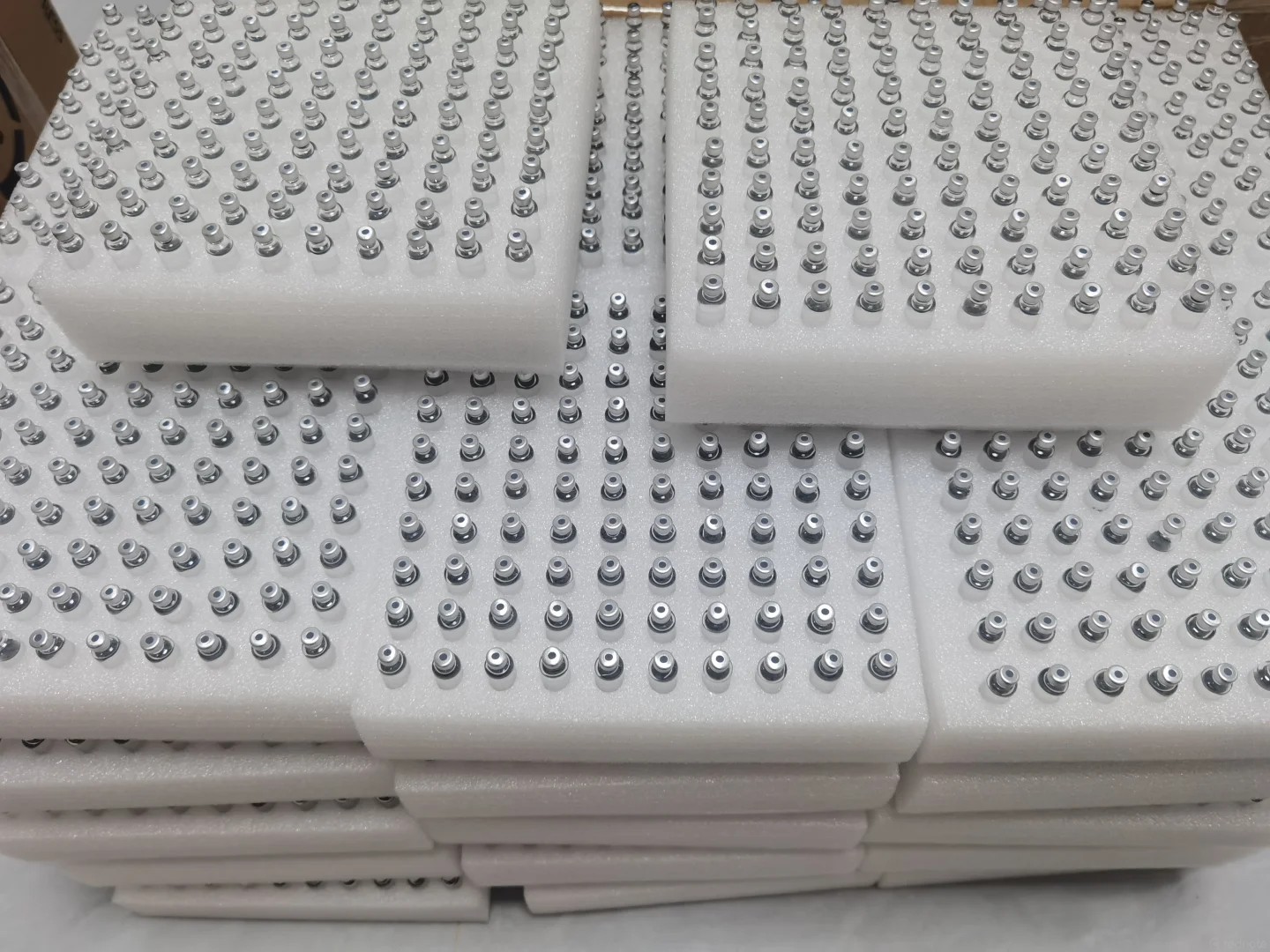
Custom manufacturing projects often require flexibility in cartridge configuration, filling volumes, peptide loading quantities, and packaging specifications. Dual-chamber systems support a broad range of customization options suitable for research-focused peptide development programs.
Common OEM capabilities may include:
- Customized peptide filling quantities
- Lyophilized powder filling services
- Custom diluent formulations
- Private-label packaging
- Batch-specific documentation
- Stability study support
- Small-scale pilot production
- Large-scale manufacturing programs
The 3 mL cartridge format is particularly adaptable to diverse peptide projects due to its balance between capacity, handling convenience, and manufacturing efficiency. (terms apply)
Laboratory Safety & Handling Guidelines
Dual-chamber cartridges intended for research applications should be stored according to project-specific requirements and handled using appropriate laboratory procedures. Reconstitution should follow validated protocols to ensure consistency across experiments.
Researchers should evaluate compatibility between peptide materials and formulation components before implementation in long-term studies. Proper storage conditions and handling procedures help maintain product integrity and support reliable experimental outcomes.
FAQs
What is a dual-chamber cartridge?
A packaging system that stores lyophilized powder and liquid diluent in separate compartments until reconstitution.
Why are dual chambers used for peptide materials?
They help improve storage stability by keeping peptides separated from aqueous solutions until use.
What cartridge size is commonly available?
The 3 mL format is widely used for peptide formulation projects.
Can different peptides be customized in this system?
Yes, custom manufacturing programs can support a broad range of peptide research materials.
What are the advantages compared with conventional vials?
Reduced handling steps, integrated reconstitution, and improved storage flexibility.
Is OEM manufacturing available?
Many custom projects utilize OEM and private-label manufacturing solutions.
Can dual-chamber systems support lyophilized peptides?
Yes, they are specifically designed for powder-and-diluent separation.
Are stability studies commonly performed with these cartridges?
Yes, stability assessment is one of the most common research applications.
Can custom filling volumes be supported?
Depending on project requirements, customized filling configurations may be available.
Are these systems intended for research use?
Yes, they are commonly used in formulation, stability, and packaging development research.
Reviews
There are no reviews yet.